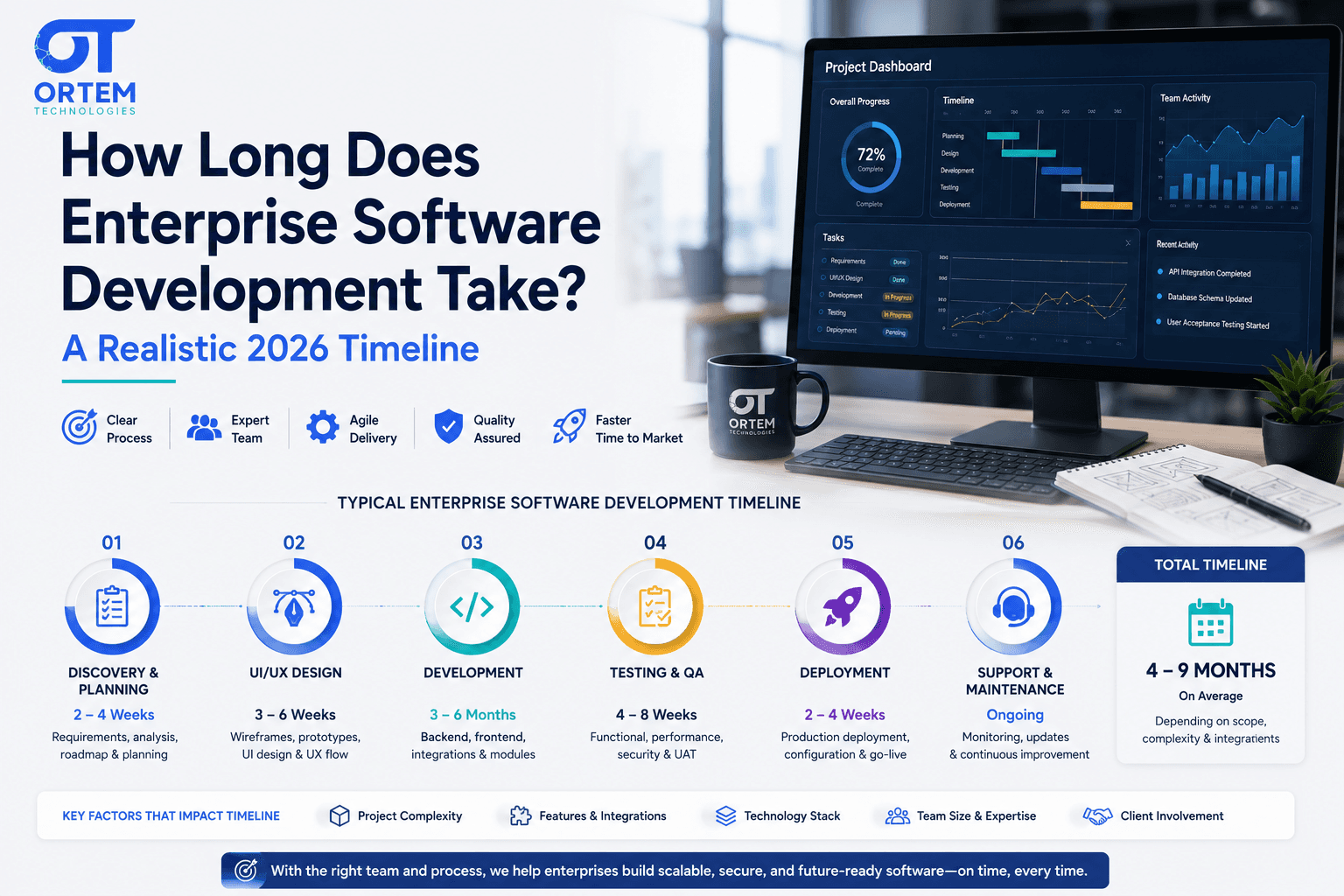
Telehealth App Development Cost in 2026: A HIPAA-Compliant Budget Guide
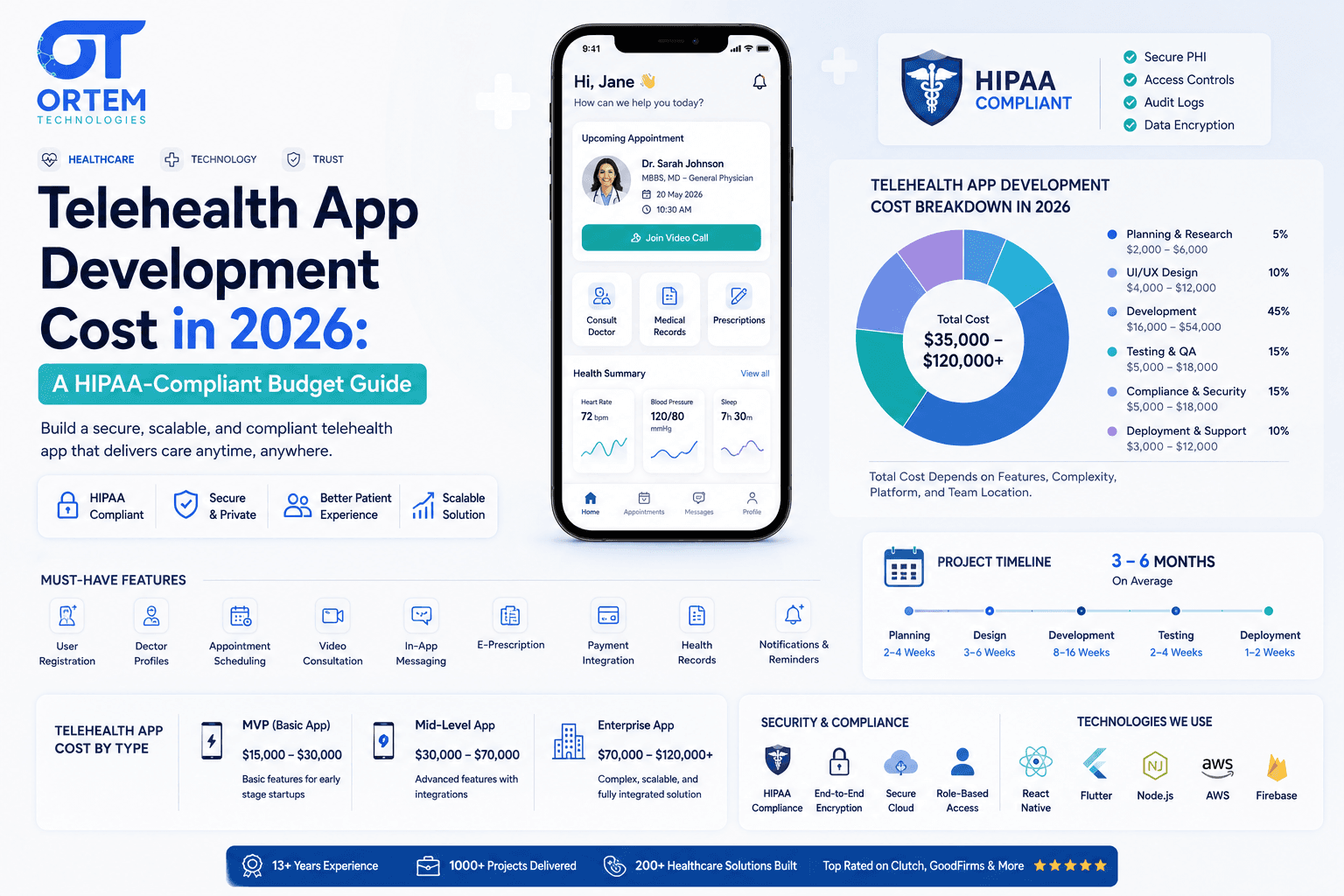
A HIPAA-compliant telehealth MVP — video visits, scheduling, secure messaging — typically costs $90,000-$180,000 and takes 4-6 months including compliance review. A platform adding EHR integration, e-prescribing, and remote patient monitoring typically costs $250,000-$450,000+ and takes 8-12 months. The cost driver that surprises most buyers isn't the visible features, it's the third-party integrations that touch protected health information — EHR sandboxes, e-prescribing certification, and identity verification each carry their own compliance review timeline that has to start in week one, running in parallel with the build, not bolted on at the end.
Telehealth app development cost is the total investment to build a HIPAA-compliant platform for remote clinical care, encompassing not just visible features (video visits, scheduling, messaging) but the compliance infrastructure — encryption, audit logging, Business Associate Agreements, access controls — required wherever the software touches protected health information (PHI). Cost and timeline scale primarily with the number of third-party integrations handling PHI, not with the visible feature count.
Telehealth is where product ambition meets regulatory reality faster than almost any other software category. The features are well understood by now — video visits, scheduling, messaging, prescriptions — but every one of them touches protected health information, which means every vendor choice, every data flow, and every log line carries compliance weight that a features-only cost estimate doesn't capture.
Here's what a realistic telehealth budget actually looks like, broken down by scope, and why the number one predictor of a stalled launch isn't a missing feature — it's compliance treated as an afterthought.
Three telehealth build tiers, and what they cost
MVP: $90,000-$180,000, 4-6 months. Video visits, scheduling, secure messaging, and basic patient records. The cost range within this tier is driven mostly by one decision: build your own HIPAA-compliant video infrastructure, or integrate a white-label HIPAA-compliant video SDK. Building your own buys long-term control but adds real time and cost to the low end of the range; a compliant SDK gets you to launch faster but with recurring per-minute or per-user licensing cost layered on top of development.
EHR-integrated platform: $180,000-$300,000, 6-9 months. Adds bidirectional sync with an electronic health record system — pulling patient history, pushing visit notes back. This is where timelines most often slip, for reasons that have nothing to do with your own team's velocity (more on this below).
Full platform with RPM: $250,000-$450,000+, 8-12 months. Adds e-prescribing and remote patient monitoring device integration on top of EHR sync. E-prescribing for controlled substances requires DEA-compliant identity verification (EPCS certification) — its own certification process, independent of your feature build.
| Tier | Scope | Cost | Timeline |
|---|---|---|---|
| MVP | Video, scheduling, messaging, basic records | $90,000-$180,000 | 4-6 months |
| EHR-integrated | + bidirectional EHR sync | $180,000-$300,000 | 6-9 months |
| Full platform | + e-prescribing, RPM device integration | $250,000-$450,000+ | 8-12 months |
Why compliance drives cost more than features do
A video call feature and a HIPAA-compliant video call feature look identical in a demo. The difference is invisible until it isn't: encryption at rest and in transit, detailed audit logs of who accessed which patient record and when, granular role-based access controls, and — critically — a signed Business Associate Agreement (BAA) with every vendor anywhere in the data path. That includes the obvious ones (video provider, cloud hosting) and the easy-to-miss ones (analytics tools, even customer support software, if it can see patient messages).
None of this shows up as a checkbox feature. All of it shows up as delay and rework if it's addressed after the fact rather than architected from the start.
The dependency that actually determines your timeline: third-party certification
EHR integration is usually the longest single item on a telehealth timeline, and it has almost nothing to do with your development team's speed. Integrating with Epic, Cerner/Oracle Health, athenahealth, or similar systems requires sandbox access and a certification process that runs on the EHR vendor's schedule, not yours. Projects that start this track in week one — in parallel with core feature development — stay on schedule. Projects that treat it as "we'll handle integration once the app is built" routinely add months waiting on a vendor certification queue they didn't know existed until it was already the critical path.
E-prescribing for controlled substances layers on EPCS (Electronic Prescriptions for Controlled Substances) identity verification requirements — another independent certification track, not a feature you simply code and ship.
The pattern across both: start the third-party certification clock in week one, running parallel to feature development, rather than sequencing it after the build. This single scheduling decision is the biggest lever on whether a telehealth platform launches on its projected date.
What a realistic build process looks like
Discovery maps every point where PHI flows — which features, which vendors, which data — and produces the compliance architecture alongside the feature spec, not after it. A signed BAA gets executed with every vendor before any PHI touches their systems, not retrofitted once you notice a gap. Development runs in two-week sprints with clinician demos, so the people who'll actually use the software are validating workflow fit throughout, not just at the end. EHR sandbox and e-Rx certification tracks run in parallel with feature work from week one, exactly because they're the dependency most likely to become the critical path if left until later.
The bottom line
The difference between a telehealth build that launches on schedule and one that stalls in legal review isn't feature scope — it's whether compliance was architecture from week one or a checklist bolted on at the end. Get an honest read on your specific scope — which third-party integrations you actually need, and what certification timeline each carries — before committing to a launch date based on feature list alone.
Healthcare software we've built is used by half a million families; our HIPAA-compliant development practice underpins every telehealth engagement, and we sign a BAA before we touch PHI. See our telehealth app development service, or book a free consultation to map your specific compliance and integration scope before you commit to a budget or timeline.
About Ortem Technologies
Ortem Technologies is a premier custom software, mobile app, and AI development company. We serve enterprise and startup clients across the USA, UK, Australia, Canada, and the Middle East. Our cross-industry expertise spans fintech, healthcare, and logistics, enabling us to deliver scalable, secure, and innovative digital solutions worldwide.
Get the Ortem Tech Digest
Monthly insights on AI, mobile, and software strategy - straight to your inbox. No spam, ever.
Sources & References
- 1.Telehealth App Development Services - Ortem Technologies
- 2.HIPAA-Compliant Development Services - Ortem Technologies
About the Author
Director – AI Product Strategy, Development, Sales & Business Development, Ortem Technologies
Praveen Jha is the Director of AI Product Strategy, Development, Sales & Business Development at Ortem Technologies. With deep expertise in technology consulting and enterprise sales, he helps businesses identify the right digital transformation strategies - from mobile and AI solutions to cloud-native platforms. He writes about technology adoption, business growth, and building software partnerships that deliver real ROI.
Frequently Asked Questions
- A production-ready telehealth MVP — video visits, scheduling, secure messaging, and basic patient records — typically costs $90,000-$180,000 and takes 4-6 months including compliance review. The range depends mainly on video infrastructure choice (build vs. white-label HIPAA-compliant video SDK) and how much of the patient intake and records workflow is custom versus using existing compliant components.
- Every feature that touches protected health information carries compliance weight beyond its engineering complexity: encryption at rest and in transit, detailed audit logging of who accessed what and when, granular access controls, and a signed Business Associate Agreement with every vendor in the data path (video provider, hosting, analytics). None of this is visible in a demo, but skipping it is what causes telehealth builds to stall in legal review after the features are already built.
- EHR integration is usually the longest single dependency in a telehealth build because it requires sandbox access, certification testing, and often a formal review process with the EHR vendor (Epic, Cerner/Oracle Health, athenahealth, and others each have their own certification path) that runs on their timeline, not yours. Starting the EHR sandbox and certification track in week one, in parallel with feature development, is what keeps it from becoming the critical path that delays the whole launch.
- A full platform adding EHR integration, e-prescribing, and remote patient monitoring (RPM) device integration typically costs $250,000-$450,000+ and takes 8-12 months. E-prescribing alone requires DEA-compliant identity verification (EPCS certification) for controlled substances, which is its own multi-week certification process layered on top of the core build.
- Yes — any vendor that could touch protected health information in the course of providing their service (video infrastructure, cloud hosting, analytics, even customer support tooling if it can see patient messages) needs a signed BAA before you send them any PHI. This is one of the most common compliance gaps in telehealth builds that used a "we'll figure out compliance later" approach — retrofitting BAAs after vendors are already integrated is far more disruptive than confirming them during vendor selection.
Stay Ahead
Get engineering insights in your inbox
Practical guides on software development, AI, and cloud. No fluff — published when it's worth your time.
Ready to Start Your Project?
Let Ortem Technologies help you build innovative software solutions for your business.
You Might Also Like
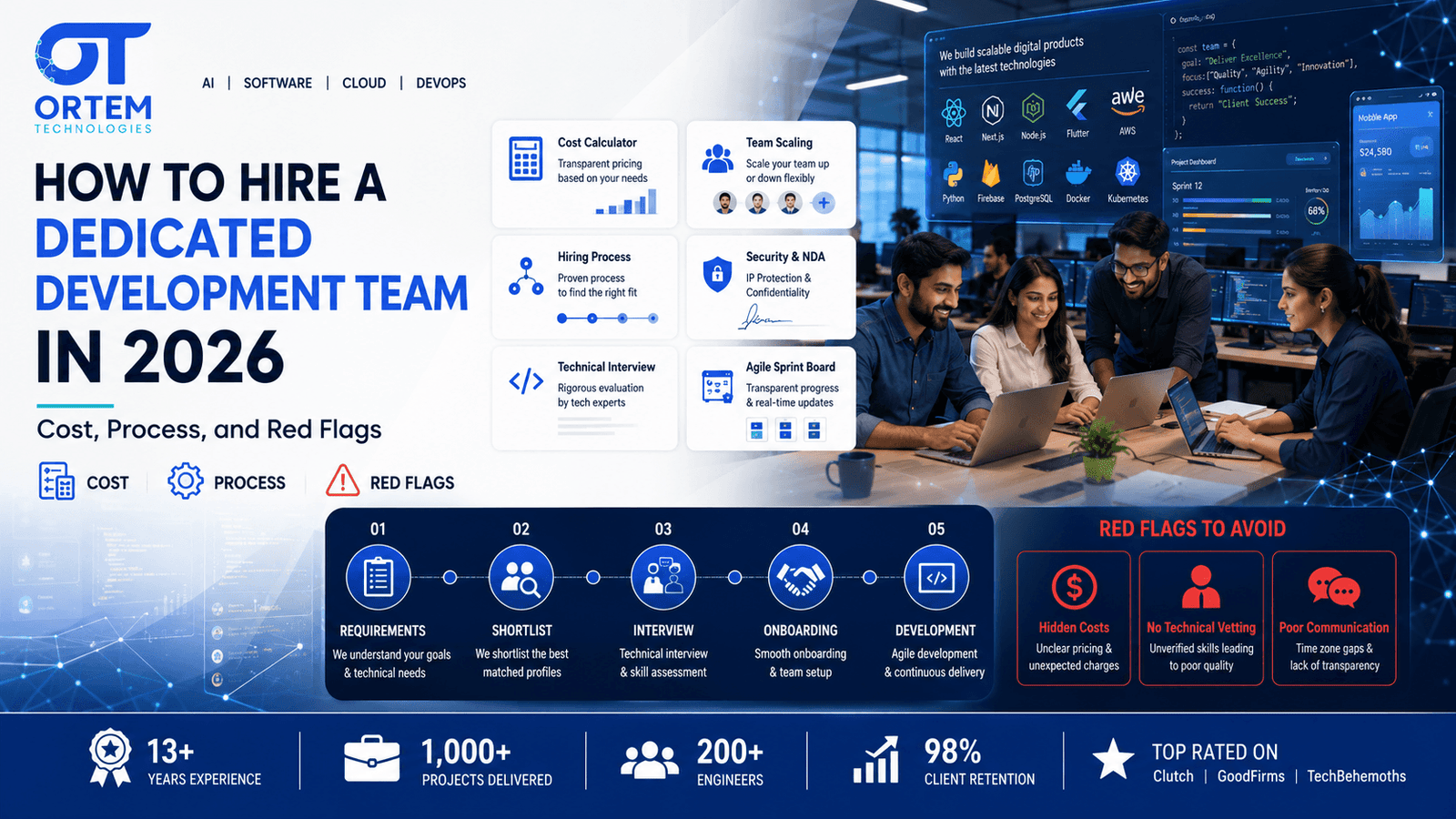
How to Hire a Dedicated Development Team in 2026: Cost, Process, and Red Flags
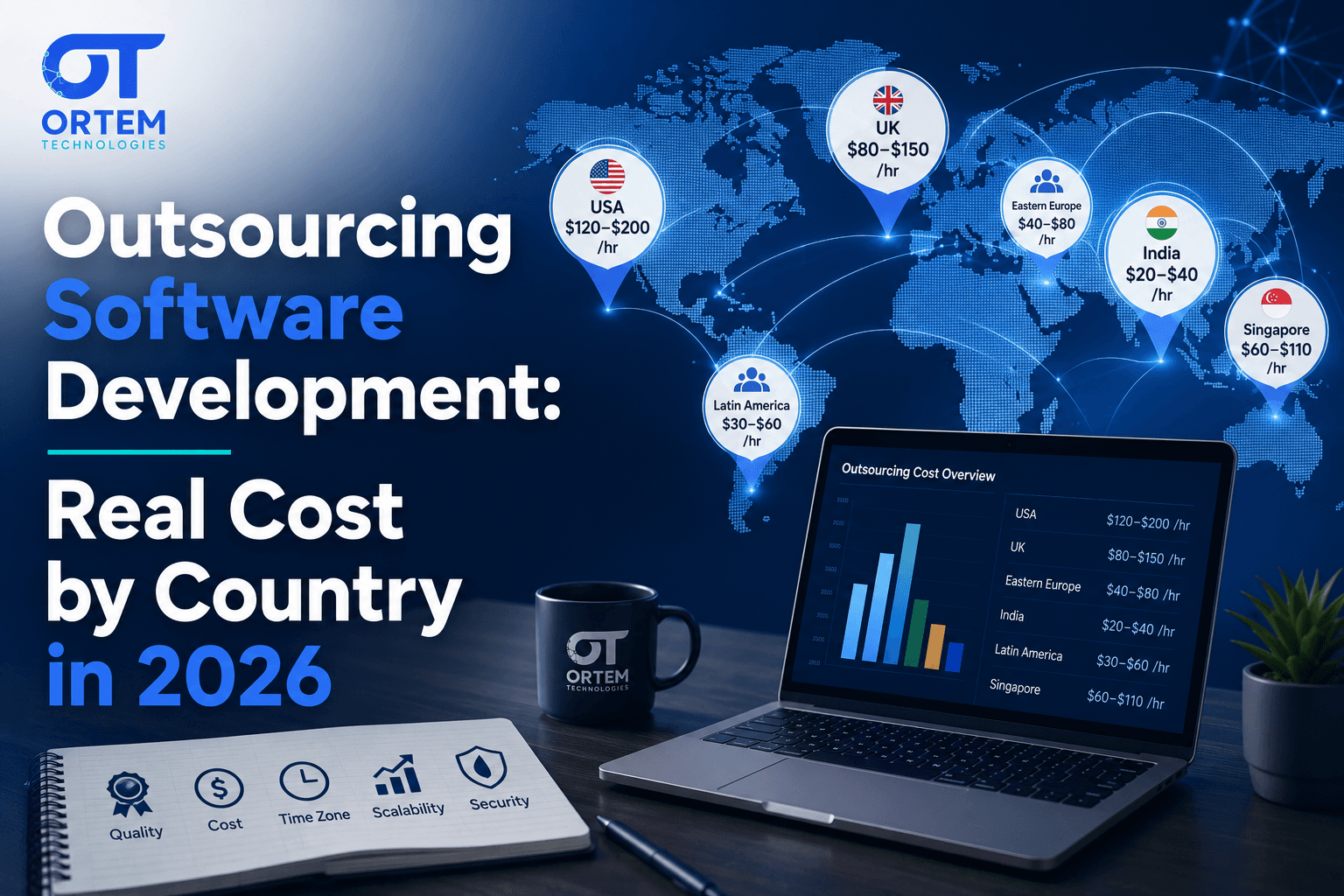
Outsourcing Software Development: Real Cost by Country in 2026